


Industries such as mining oil sands via open pit or SAGD and oil and gas processing depend on large mechanical systems running constantly. When equipment fails unexpectedly, production slows, safety risks increase, and maintenance teams are forced into emergency repairs. For facilities that operate around the clock, even a short interruption can disrupt operations and end up costing millions of dollars.
Effective industrial equipment maintenance plays a central role in preventing these disruptions.
Beyond mechanical servicing, maintenance programs need to address contamination buildup, cooling system performance, and safe cleaning methods that protect sensitive components. When these elements are managed properly, operations can reduce equipment downtime and improve overall reliability.
Here’s our guide to industrial equipment maintenance to reduce your equipment downtime.
What You’ll Learn
- How effective industrial equipment maintenance helps operations reduce breakdowns
- Why contamination buildup is one of the leading causes of equipment failure
- The role of maintenance in improving equipment reliability and lifespan
- How cooling system maintenance and fin fan cleaning protect compressors, pumps, and heat exchangers
- Practical strategies to reduce equipment downtime in mining, oil sands, gas plants, and SAGD facilities
- How dry ice blasting removes contaminants without damaging sensitive equipment
- Why preventive maintenance programs are more effective than reactive repair strategies
- What operators should consider when developing maintenance programs
Why Industrial Equipment Maintenance Matters for Continuous Operations
Facilities in the natural resource sector operate under conditions that place extreme stress on their equipment. High temperatures, heavy loads, airborne contaminants, and constant operation all accelerate wear on machinery.
Strong industrial equipment maintenance programs focus on keeping these critical systems functioning efficiently before problems develop. Instead of responding only when failures occur, maintenance works to prevent them.
In mining operations, mining equipment maintenance helps keep haul trucks, excavators, conveyors, and processing equipment running safely despite exposure to dust and debris. Without regular maintenance and cleaning, buildup on engines and hydraulic systems can lead to overheating and mechanical failure.
In the oil sands sector, oil sands plant maintenance focuses on making sure extraction and processing equipment remain reliable despite heavy bitumen residue and harsh environmental conditions. Cooling systems, motors, and process equipment need to be cleaned and maintained regularly to keep production running smoothly.
Gas processing facilities face similar challenges. Gas plant cooling systems rely on efficient airflow and heat transfer to prevent compressors and pumps from overheating. When contaminants restrict airflow or insulate heat exchange surfaces, cooling performance drops and equipment failure becomes more likely.
Across all these environments, well-planned industrial cleaning maintenance is just as important as mechanical servicing. Removing contamination helps ensure equipment operates as designed and prevents unplanned downtime.
How Contamination Leads to Equipment Failure
One of the most common causes of equipment performance issues is contamination buildup. Dust, bitumen, process byproducts, and debris accumulate on equipment surfaces over time. If this buildup isn’t removed, it affects performance.
This is why equipment contamination cleaning is an essential component of industrial equipment maintenance programs.
Contaminants can create several operational problems:
Restricted airflow in cooling systems
Cooling components rely on open airflow to remove heat from equipment. Dust and residue clog fins and coils, reducing cooling efficiency and causing temperatures to rise.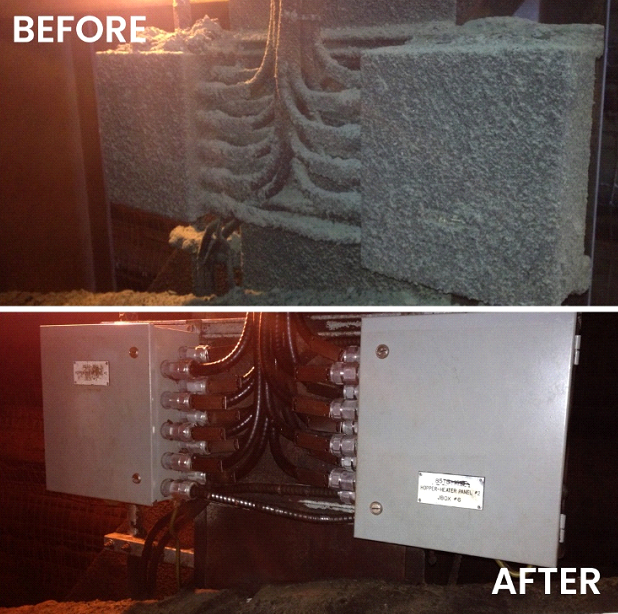
Electrical reliability issues
Dust and oil buildup on electrical panels, motors, and cable trays increases the risk of overheating and electrical faults. In hazardous environments, this contamination can also contribute to arc flash risk.
Mechanical overheating
When contaminants build up on motors, pumps, and compressors, they act as insulation. Heat becomes trapped within the equipment, leading to premature wear and potential failure
Increased fire risk
In mining operations, debris accumulation around engines and exhaust systems can become combustible. Regular cleaning helps remove materials that may ignite under high temperatures.
Facilities that address contamination through routine industrial cleaning maintenance often experience fewer emergency shutdowns and improved equipment reliability.
Industrial Equipment Maintenance Strategies to Improve Reliability
Preventing downtime requires more than simply repairing equipment when it breaks. Effective maintenance programs focus on identifying risk areas and addressing them before failures occur.
Follow these strategies to improve your reliability.
Prioritize Critical Equipment
Certain components have a larger impact on production than others. Equipment such as heat exchangers, compressors, motors, and cooling systems often support multiple processes.
Maintaining these assets should be a priority within industrial equipment maintenance programs. If these systems fail, entire production units may need to shut down.
Reliable maintenance practices help ensure these systems continue functioning during continuous operations.
Maintain Cooling Systems
Cooling systems play a major role in maintaining safe equipment temperatures. Many facilities rely on air-cooled heat exchangers or fin fan systems to remove heat from process equipment.
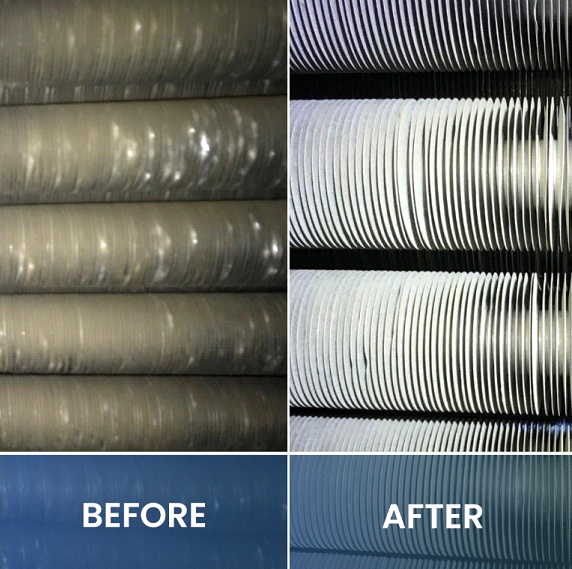
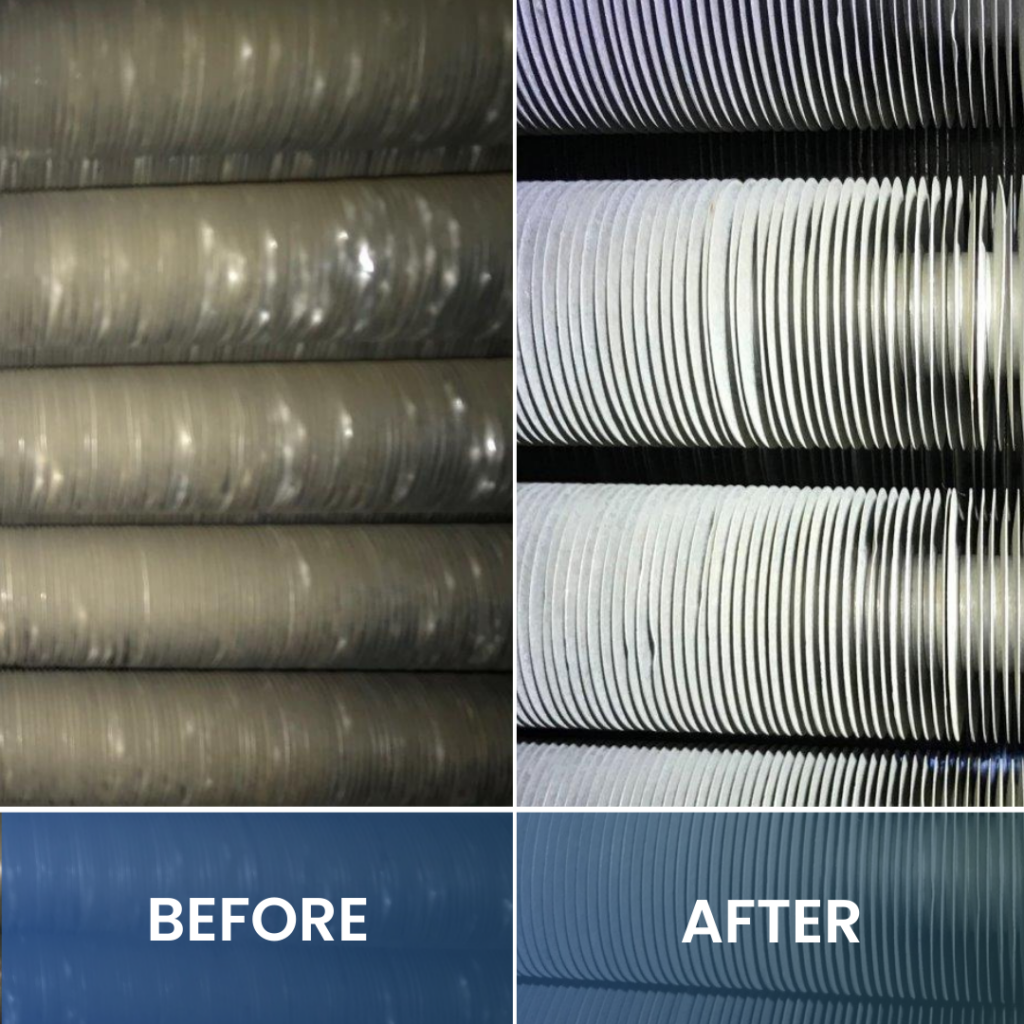
Over time, these components collect dust, bitumen, and process contaminants. When buildup accumulates on cooling surfaces, airflow decreases and heat transfer efficiency drops.
Routine fin fan cleaning helps restore airflow and maintain cooling performance. In facilities that depend heavily on cooling systems, this process can significantly reduce the risk of overheating and equipment shutdowns.
Address Contamination Through Cleaning
Routine industrial cleaning maintenance removes the buildup that contributes to overheating, electrical issues, and fire risk.
Rather than relying on aggressive methods that can damage equipment, many facilities now use specialized cleaning techniques designed for sensitive components. These approaches allow operators to maintain equipment without introducing moisture or causing abrasion.
Dry Ice Blasting for Industrial Cleaning Maintenance
One method that has gained traction in heavy industry is dry ice blasting for industrial cleaning. This cleaning technique uses compressed air to propel dry ice pellets at high speed, removing contaminants without damaging equipment surfaces.
Because dry ice pellets sublimate on impact, the process produces no secondary waste. This makes it particularly useful in environments where residue or chemical runoff must be minimized.
Within industrial equipment maintenance programs, dry ice blasting offers several operational advantages:
- Non-abrasive cleaning: Dry ice blasting delicately removes contaminants without damaging metal surfaces, wiring, insulation, or coatings.
- Safe for electrical equipment: Dry ice blasting is non-conductive and doesn’t introduce moisture, making it suitable for motors, control panels, and electrical systems.
- Reduced cleanup requirements: Since the dry ice pellets evaporate, only the removed contamination needs to be collected.
- Minimal equipment disassembly: Many components can be cleaned in place, reducing the need for lengthy shutdowns.
These characteristics make dry ice blasting industrial cleaning useful for applications such as equipment contamination cleaning, electrical maintenance, and fin fan cleaning.
Facilities operating in sectors such as mining, oil sands, and gas processing often use dry ice blasting as part of broader industrial cleaning maintenance programs.
Preventive Maintenance Compared to Reactive Maintenance
Many operations still rely heavily on reactive maintenance, addressing issues only after equipment begins to fail. While this approach may appear cost-effective in the short term, it often leads to more serious operational disruptions.
Preventive maintenance focuses on identifying problems early and addressing them before failures occur.
Reactive maintenance typically results in:
- emergency shutdowns
- higher repair costs
- safety risks for maintenance crews
- extended production interruptions
Preventive maintenance strategies, including regular industrial equipment maintenance and scheduled industrial cleaning maintenance, help facilities reduce equipment downtime by addressing contamination, cooling inefficiencies, and mechanical wear before equipment performance is affected.
Facilities that maintain consistent cleaning and maintenance schedules often experience longer equipment lifespans and more predictable operations.
Selecting the Right Approach to Industrial Equipment Maintenance
Maintenance programs should be tailored to the operating conditions of each facility. Environmental factors, process temperatures, and production schedules all influence how equipment should be maintained.
When evaluating maintenance strategies, operators should consider several factors.
First, cleaning methods should protect sensitive equipment. Abrasive blasting or pressure washing may remove contaminants quickly, but they can also damage components or introduce moisture into electrical systems.
Second, maintenance services should align with operational schedules. Many facilities run continuously and require maintenance methods that can be performed with minimal disruption.
Third, safety and environmental compliance must remain priorities. Cleaning methods that reduce chemical usage and avoid generating additional waste help facilities meet regulatory requirements.
By combining effective mechanical servicing with targeted industrial cleaning maintenance, operators can maintain reliable systems and reduce equipment downtime across mining, oil sands, gas processing, and SAGD facility operations.
Call Western for Your Equipment Maintenance
If your operation relies on continuous production, your maintenance practices need to support equipment reliability without disrupting operations. Western Dry Ice Blasting provides specialized dry ice blasting industrial cleaning services designed for industrial environments, including mining, oil sands facilities, gas plants, and SAGD operations.
Contact Western Dry Ice Blasting to discuss how targeted cleaning solutions can support your industrial equipment maintenance program and help keep critical equipment running safely.